by Jaime | Jul 20, 2019 | Energy, Wind
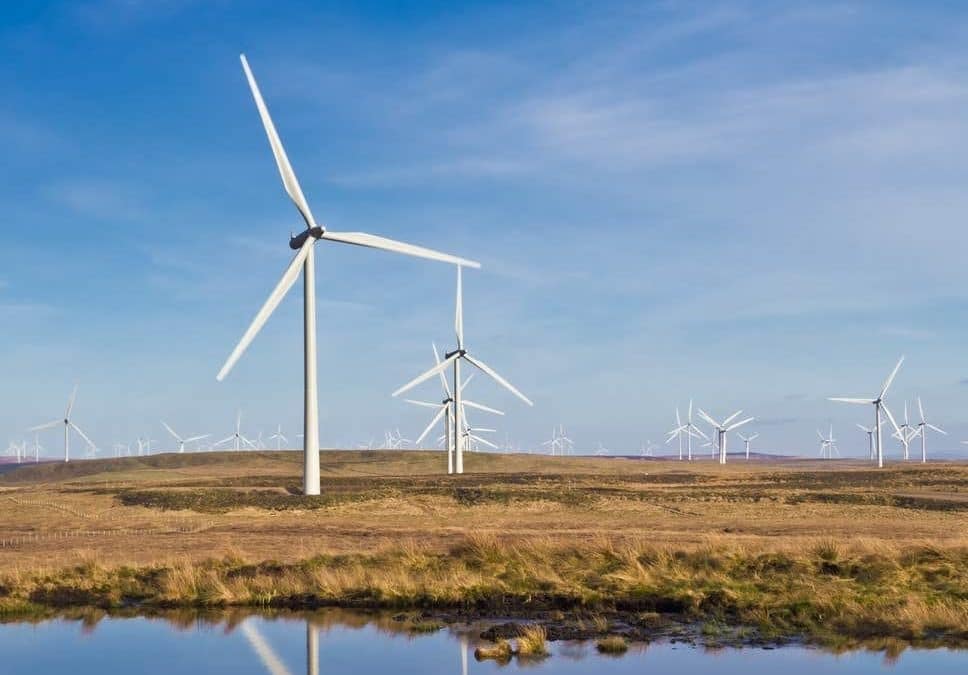
Wind turbines in Scotland generated almost twice the entire country’s domestic power requirements In the first six months of the year.
Enough energy was created by the country’s renewables to power homes from all the way up in Harris in the Outer Hebrides down to Harrogate in Yorkshire, World Wildlife Fund (WWF) Scotland said.
The figures, from Weather Energy, show between January and June wind turbines provided enough electricity to power the equivalent of 4.47million homes for those six months.
That is nearly twice the number of homes in Scotland.
“These are amazing figures, Scotland’s wind energy revolution is clearly continuing to power ahead. Up and down the country, we are all benefitting from cleaner energy and so is the climate,” said Robin Parker, climate and energy policy manager at the WWF.
“These figures show harnessing Scotland’s plentiful onshore wind potential can provide clean green electricity for millions of homes across not only Scotland, but England as well.”
He added: “It’s about time the UK government stepped up and gave Scottish onshore wind a route to market.”
Alex Wilcox Brooke, weather energy project manager at Severn Wye Energy Agency said: “These figures really highlight the consistency of wind energy in Scotland and why it now plays a major part in the UK energy market.”
The figures released come hot on the heels of the UK enjoying the longest ever period without coal power.
Last year Scottish Power became the first major UK energy firm to completely drop fossil fuels in favour of wind power, after selling off its remaining gas and hydro stations to Drax for £702m.
The company said it planned to invest £5.2bn over four years to more than double its renewable capacity.
by Jaime | Jul 4, 2019 | Transport
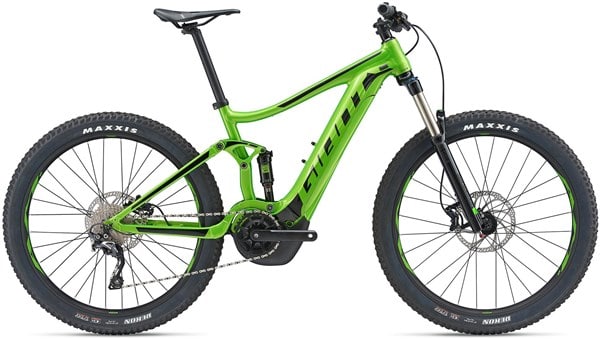
Just one more reason to change the way you travel, whether that’s getting to and from work, or going for a spin at the weekend. Ditching the car and public transport for an electric bike gives you the chance to save money, improve fitness and do your bit to help the planet. Here are 10 good reasons why it makes sense to make changes to the way you travel – today!
1. Sustainability
When it comes to getting about, we can’t go on as we have been going – so say the planet’s children, and they’re right. Which is why, in 2017, cyclists in the UK covered a whopping 3.27 billion miles of road, and why cycling has increased every year since 2008.
2. Exercise
The magic of an e-bike is that the motor only assists you up to a speed of 15.5mph. Any higher than that, and it’ll be you doing all the work. So it aids you when you’re feeling the strain, without ever preventing you from getting a good workout. Talking of which…
3. Health
According to a 2017 Glasgow University study published by the BMJ and involving more than a quarter of a million people1, cycling to work was associated with a lower risk of cardiovascular disease, compared to commuting by car or public transport.
4. It’s cleaner
E-bikes can be ridden under your own steam, of course, but if you need that extra push, there’s an internal battery powering a discrete electric motor system, using energy that’s clean, green and leaves no footprint.
5. Pleasure
Not everyone is at peak fitness all the time, and that includes cyclists. For people with health issues, who are just a little older and may struggle to get “over the hill” with that dodgy knee, assisted cycling can be a godsend.
6. No sweat
A lot more people use a bike to get to work, but with them trails a bouquet of sweaty scents that don’t settle well in an open-plan setting. Assisted cycling takes the sweat out of your ride. You could even complete it in a silk suit…
7. Save money
HOW much is that fare again? Whether you’re hitting your daily Oyster limit or having to squirrel money away for an annual season ticket of train delays and cancellations, e-biking is a real alternative to commuting by public transport with all its costs and frequent delays. And by taking advantage of Cycle to Work schemes in place across the UK, you could save almost half the price of a new e-bike.
8. Something for the weekend
The good things in life are worth waiting for – and that includes the weekend, whether that be a leisurely assisted cycle around town or a ride into the countryside – wherever it is you’d like to go.
9. Stylish
E-bike designs are some of the most cutting-edge, sleek and neat models on the road, whether you choose a compact and foldable commuter bike like the Carrera Crosscity or the more sturdy Carrera Subway E for more extended rides.
10 New improved models
As the technology that goes into the motors and batteries keeps advancing all the time, riders can expect longer distances between recharging – as well as lighter frames and sturdier rides.
It’s the future. Oil-fuelled internal combustion is a Victorian technology, bizarrely still in use in the 21st century, despite being well past its sell-by date. The future is electric, clean and green – and travelling down the road on power-assisted two wheels.

by Jaime | Jul 3, 2019 | Transport
Honda has confirmed more details on its cutesy electric car. The confusingly named Honda e will get a 36kWh lithium-ion battery which will ensure a range of ‘over 125 miles,’ the company announced today.
The low skateboard battery, which is water-cooled to maintain the optimum operating temperature, is positioned in the box-fresh electric car architecture to ensure 50:50 weight distribution, all the better for perky handling. It’s rear-wheel drive to boot.
Honda has also confirmed the new EV can be charged using the regular Type 2 AC connection or a CCS2 DC rapid charge plug (an 80% charge in 30 minutes is promised – if you can find a suitably powerful charger. The car will be in action at the 2019 Goodwood Festival of Speed in July.
Find out more about their handsome little motor here
by Jaime | Jul 2, 2019 | Energy, Solar
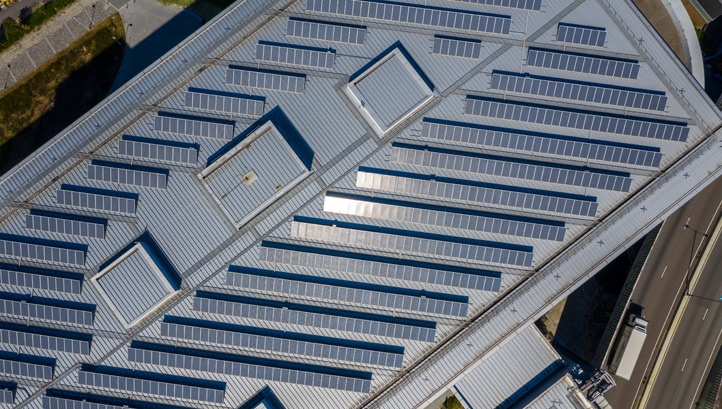
Conducted by Centrica Business Solutions (CBS), the research report, Distributed Energy Future Trends: The insights behind sustainable business growth, features the findings of a survey of almost 600 UK businesses.
The survey found that 81% of companies already generating energy onsite have plans or aspirations in place to increase self-generation capacity over the next five years, in a move to become “power plant of the future”.
Almost three-quarters of businesses recognise the need for more flexibility in how they generate and use energy, according to the survey, with more than a third viewing energy security as a “substantial risk” to long-term business plans.
CBS’ sales director Ian Hopkins said: “Our research shows that UK businesses are responding to market forces around environmental performance to ensure their long-term success, we call this end-state the Sustainable Business. One action many are taking is to seize control of their energy needs, effectively becoming power plants in their own right. Crucially, we’re finding that the firms doing this tend to be the most economically sustainable and resilient businesses.
“The Government’s net zero target puts the country right at the forefront of the global climate change agenda. Businesses have an important role to play and the research indicates that today’s sustainable businesses see energy as an opportunity and a strategic asset, not simply a cost.”
While companies are considering the importance of self-generation, the survey suggests that many are still to consider the potential economic returns of doing so. Just one in five businesses view energy as an asset that can be traded to unlock revenue streams, suggesting that the use of smart data technologies, energy storage and demand response services are still limited within the private sphere.
A recent report from CBS has created a business case for smart technologies. New technologies such as battery storage and solar could “inspire a new industrial revolution” and save the manufacturing sector at least £540m on its energy bills, the company found.
by Jaime | Jul 2, 2019 | Solar, Wind
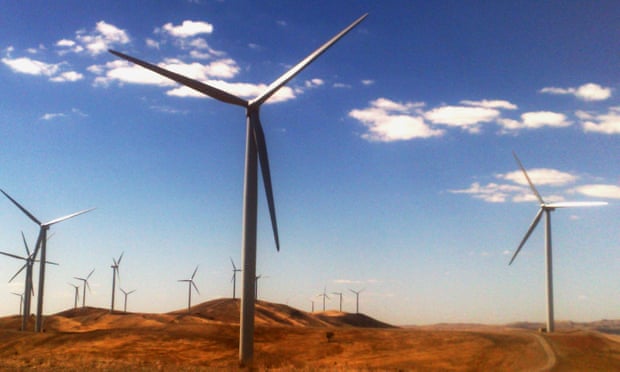
Shortly after its re-election, the Morrison federal government confirmed it would not consider a new policy to reduce carbon emissions from Australia’s electricity sector.
Meanwhile, every state government within the national electricity market has either a target to increase the share of renewable energy or substantially reduce its emissions. This includes both Labor and Liberal party-governed states.
So how are the states going in reaching their targets?
Victoria at least is doing pretty well. The chart below illustrates the amount of renewable energy being generated in Victoria by fuel type and Green Energy Markets’ projections of how it will change out to 2030. This is based on a combination of large utility-scale projects either in operation, construction or contracted plus growth in rooftop solar expected by the Australian Energy Market Operator.
Read more from this story here