

Solar power continues to grow in popularity across the UK, and it is easy to see why. The technology has matured, costs have fallen, and both households and organisations are increasingly seeking cleaner, more reliable ways to power their buildings. This guide provides a clear and balanced overview of the advantages and disadvantages of solar panels, drawing on the experience and insight that we can share as a solar specialist.
One big takeaway though, is that broadly speaking if you are in your home or commercial property for the next 5 years, then solar is a worthwhile investment.
Advantages of solar panels
1. Renewable and abundant
Solar energy is one of the cleanest and most sustainable power sources available. The sun provides a vast supply of energy every day, making it a dependable long-term solution for homes and businesses working to reduce carbon emissions.
2. Lower electricity bills
Generating electricity on site reduces reliance on the grid, leading to substantial savings over the lifetime of a solar system. Panels help shield properties from rising energy prices, offering long-term financial stability.
3. Earnings from exported electricity
When a system produces more electricity than is used, the surplus can be exported back to the grid. The UK’s Smart Export Guarantee provides payments for this exported energy, improving the overall return on investment.
4. Diverse applications
Solar technology is highly versatile. Panels can generate electricity, support heating systems through solar thermal, and be integrated into different building materials. This flexibility makes solar suitable for a wide range of property types.
5. Low maintenance and long lifespan
Solar panels contain no moving parts and require minimal upkeep. Most systems operate efficiently for 25 years or more, supported by long manufacturer warranties and straightforward maintenance routines.
6. Rapid technological progress
Improving panel efficiency, smarter inverters and more competitive pricing have made solar systems more effective than ever. These advances allow modern installations to deliver stronger performance even in challenging conditions.
7. Improved energy independence
By pairing panels with battery storage, properties can store surplus energy for use later in the day. This reduces exposure to grid fluctuations and helps maintain a steady supply during peak times or power cuts.
8. Enhanced property appeal
Buildings with solar installations often attract buyers, tenants or clients due to their lower running costs and strong sustainability credentials. Solar is widely viewed as a forward-thinking asset that adds value.
9. Works in varied weather
Modern photovoltaic panels generate power even on cloudy days, which makes them especially well suited to the British climate. Although output is highest in direct sunlight, useful energy is still produced year-round.
Disadvantages of solar panels
1. Upfront investment
Despite falling prices, a solar installation still requires a significant initial outlay. Pay-back periods vary depending on usage, system size and export income, typically taking several years to realise full cost recovery. For domestic homeowners there is not much support available to help with this initial cost, but for those that will be in their property for 5+ years the investment pays for itself during this time. For businesses however, there is a lot of support from both governments, councils and banks to assist financially with the initial cost.
2. Weather and daylight variability
Solar output depends on sunlight, so generation naturally dips during winter, at night and on very overcast days. While this does not prevent a system performing well overall, it is important to understand seasonal variations as it will reduce your output in winter compared to summer in the UK.
3. Cost of storage
Battery storage alongside solar allows greater energy independence but can add a notable extra cost. For some properties it offers excellent value, while for others it may extend the pay-back period.
4. Space and roof suitability
Solar panels work best on unshaded, south-facing roofs. Limited space, shading from trees or neighbouring buildings, or structural issues can all affect system performance and viability.
5. Environmental impact from production
Although solar energy is clean, manufacturing panels involves raw materials, energy use and transportation. These impacts are reducing over time, and recycling processes are improving, but they still remain part of the overall picture. Sourcing ethical and traceable panels is often a key consideration for those considering them for their property which is why we are very conscious of this, and only use vetted, verified panels with traceable sourcing.
6. Aesthetic considerations
Some property owners feel that panels change the look of a building, particularly in sensitive or historic locations. Integrating panels sympathetically with the building design can help address this concern.
7. Planning restrictions
Most homes and commercial buildings can install panels without planning permission. However, listed buildings, conservation areas and some flat roofs may require additional approvals, potentially adding time and cost.
8. Variable return on investment
Performance and savings depend on roof orientation, local shading, usage patterns and system design. While many installations deliver strong financial returns, others may take longer to reach full pay-back. It is worth checking you specific payback period for your home or business for accurate data.
Complexities for businesses
Leasing or renting buildings
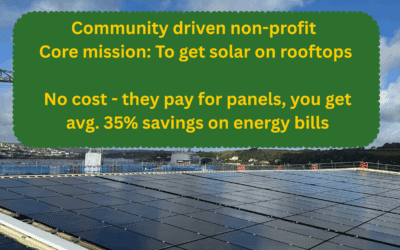
If you are a commercial business and lease your property there are options such as the cooperative payment models such as the Big Solar Coop – they pay for the solar, and you get cheaper energy bills at a lower rate than the National Grid can offer. After 5 years you have the option to buy out your panels.
For those renting a home, you can sometimes agree a 70:30 payment split for tenant and owner respectively. You as the renter will benefit from cheaper bills immediately, and the owner will benefit from panels that improve the value of the building (and will keep them if you ever move out down the line), that way both you and the owner can benefit.
How getting advice from a specialist solar company can strengthen your decision-making
A specialist solar company such as ourselves can offer more detailed insight to help you evaluate both the advantages and disadvantages of solar panels fairly and accurately for your specific property. The guidance we can offer typically includes:
- A roof assessment to assess shading, structural suitability, potential generation and realistic pay-back times
- A clear financial model showing expected long-term savings and export income
- System performance through the seasons
- Available grants and financial help
- Objective advice on whether battery storage is worthwhile for the property in question
- Transparent information on panel manufacturers, environmental impact, warranties and end-of-life recycling options
- Support with planning requirements, building regulations and any local authority considerations
- Monitoring and performance tracking to ensure the system continues to operate efficiently over many years
If you are interested in any of the above, get in touch and specify anything you are interested in, and our solar experts can help illuminate the specifics to make an informed choice.
The short answer though is that if you are weighing up the pros and cons of solar, then you are considering if it is right for you – and if you are in your property for the next 5 years, then whether it’s for your home or commercial property, solar is worth it. Don’t let the cost get in the way, as there are a multitude of ways to pay – just reach out today and we can let you know the many options for accessing this exciting renewable energy solution.
Find out more about solar for your home and commercial solar today!
0 Comments