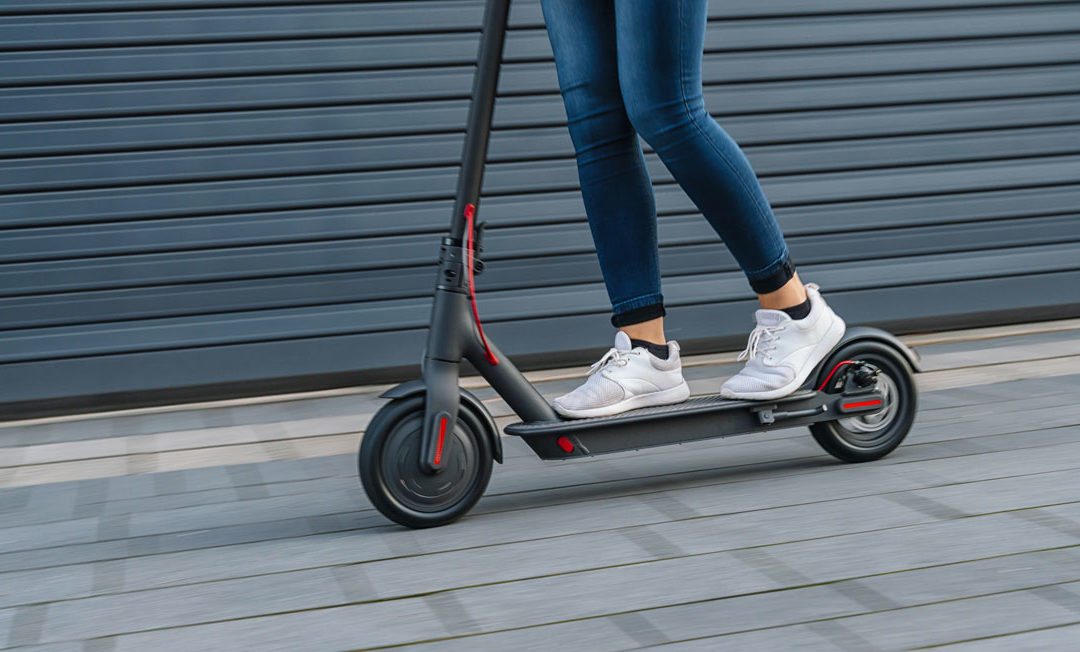
London is to launch a trial of e-scooters within weeks – but concerns have been raised after their rollout in other UK cities.
The number of e-scooters on the UK’s roads is set to soar as London prepares to launch a trial of the vehicles in the coming weeks. They have been hailed as a greener, more sustainable mode of transport that can reduce traffic congestion, but concerns have been raised after trials in other UK cities. Newcastle has introduced an overnight curfew for e-scooter riders after a spate of drink-driving arrests, with six men due in court on Thursday.
A councillor in Merseyside recently branded the devices “orange death traps” after witnessing people riding them on pavements in Liverpool.
And in Leicester, where e-scooters are not being trialled, a six-year-old boy suffered a fractured skull after being struck by a teenager riding one of the vehicles.
Where are e-scooters being trialled in the UK?
The government is trialling rental e-scooters in more than 40 towns and cities across England as it assesses their safety and whether they reduce traffic. Birmingham, Liverpool, Salford, Bristol, Milton Keynes and Newcastle are among the locations taking part in the scheme.
London is preparing to launch a trial of e-scooters in the coming weeks, with the devices expected to be deployed in 11 out of 33 boroughs in the capital in May, according to reports. Transport for London (TfL) has not revealed details of the launch but confirmed the trial is expected to start “later this spring”.
A TfL spokesperson told Sky News it was in the “final stages of the procurement process” and an announcement on the outcome will be made “in due course”. Further e-scooter trials are due to to begin in Sunderland, North Devon, Rochdale and Great Yarmouth, with the last one expected to end in November. Riders need to have a full or provisional car, motorcycle or moped licence, and have been urged to wear a helmet. Only rental e-scooters are allowed on roads, and they are limited to 15.5mph.
E-scooter company Voi, which is involved in trials in 21 towns and cities in the UK, says it has recorded more than one million rides in just over six months. Sam Pooke, the firm’s public policy manager, said e-scooters were “easing the pressure” on public transport systems and providing a “socially distanced way to travel” during the pandemic.
“We’re helping people to use a more sustainable, green way of getting around,” he said.
“That in turn improves air quality, it improves health, it decreases congestion on the roads and it makes cities much easier and much better for living.”
How are e-scooter companies tackling irresponsible riders?
Mr Pooke said Voi has introduced four-digit code licence plates to its e-scooters so anyone riding irresponsibly can be identified. In order to “battle against drunk-riding”, people have to pass a reaction test to use a Voi e-scooter at night, he added. Those who fail the test are sent a link to a local taxi service.
There have been some reports of “slight injuries” but “accident data is remarkably low”, according to Mr Pooke.
He said the “vast majority of our users are riding them responsibly and safely” but added: “Unfortunately there is a very small minority who ride irresponsibly, such as going on the pavement. “The best way to tackle this is to work collaboratively with our council partners and the police.”
Another e-scooter company, Neuron, operates in Newcastle and Slough and will launch in Sunderland next week. It said there had been “some issues with a very small proportion of riders not following the rules and people parking the e-scooters irresponsibly”.
However Neuron said the overnight curfew in Newcastle, which immobilises its e-scooters between 11pm and 5am, has led to an “immediate and significant reduction in the number of reports of irresponsible riding”.
“Overall the vast majority of users abide by the rules and behave in a safe and responsible manner,” it added. “For those who do break the rules, we generally warn and educate them further and usually cases of repeat offending are rare.”
Are e-scooters set to be legalised across the UK?
Privately-owned e-scooters cannot be used on the UK’s roads – one of the last countries in Europe where this is the case – due to their classification as a motor vehicle under the Road Traffic Act 1988. Motor vehicles are required to have number plates, with users needing to have a driver’s licence, insurance and wear a helmet. In October, MPs recommended that e-scooters should be legalised in the UK within 18 months to help make cities greener.
A consultation by parliament’s transport committee found the vehicles could be an effective way to cut car journeys and clean up the air. But the MPs said e-scooters should remain banned from pavements for pedestrian safety. The transport committee has called for e-scooters to be opened up to everyone, even those without a licence, and helmets to be strongly recommended but not mandated by law.
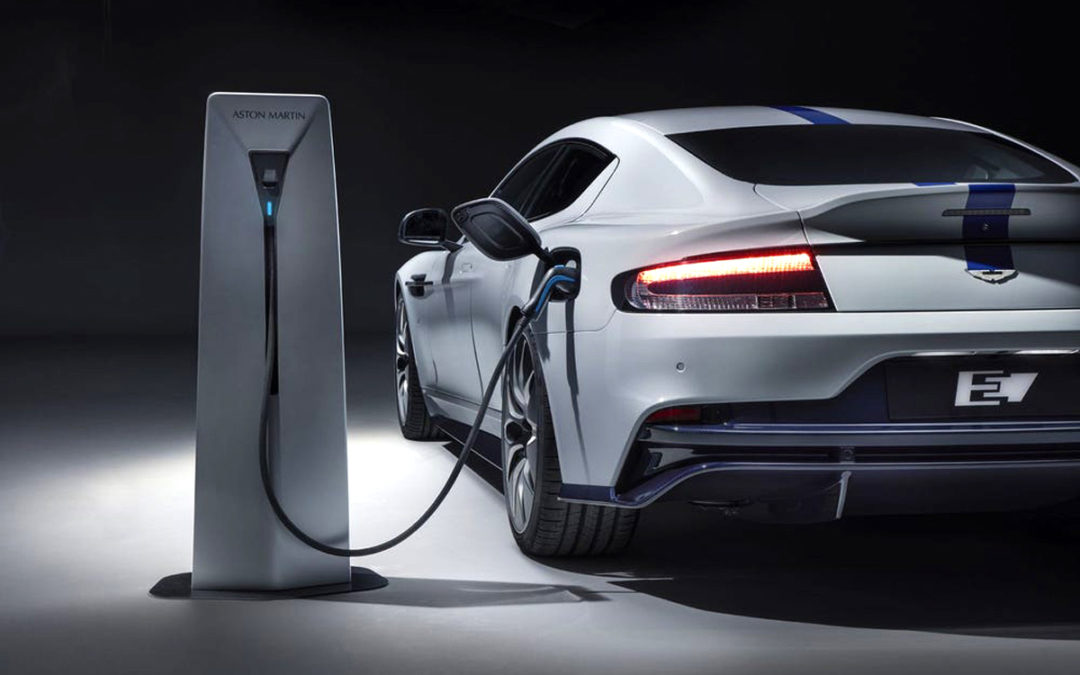
British carmaker Aston Martin will reportedly begin building two fully electric car models in the United Kingdom from 2025, an electric sports car and an electric SUV.
Lawrence Stroll, Aston Martin’s Executive Chairman and Canadian billionaire who led a rescue of the company in 2020 and now holds a 22% stake, told the Financial Times in an interview published over the weekend that the company has pledged to build its electric models in the UK from 2025.
Aston Martin will start with the production of an battery electric sports car to be produced at the company’s manufacturing plant in Gaydon, England, and an electric SUV to be built at the company’s facility in St. Athan in Wales.
The two models will follow on the heels of hybrid versions of a range of Aston Martin models – including the hybrid version of the DBX SUV, which is due later this year. Aston Martin is also purportedly to release more hybrid versions from 2023, according to Stroll.
News of Aston Martin EVs picks up a year on from the scrapping of the company’s Rapide E, which was originally designed as the company’s first all-electric production vehicle and “the most powerful Rapide ever”, but which was reportedly scrapped in January, 2020.
The news also comes soon after it was reported that Aston Martin was linked, albeit tenuously, to an anti-EV propaganda document which gained traction in the UK media and falsely claimed that electric vehicle only “pay back” the emissions used in manufacturing after 80,000 kilometres.
One hopes, then, that Lawrence Stroll’s decision to reveal Aston Martin’s EV plans is a first demonstrable step away from the taint of the reported anti-EV propaganda.
Whether or not Aston Martin will use its famous ‘DB’ moniker on its electric models is uncertain, according to Stroll, who explained that “we will have a front engine version of a DB11/Vantage, and an SUV higher four-wheel drive one, but we don’t know the names yet.”
Mercedes-Benz, which owns 20% of the company and has partnered with Aston Martin on vehicle manufacturing, supplying some of its engines and technology, may also provide batteries for the promised Aston Martin EVs, according to Stroll, who simply said that “we’re looking at all options”.
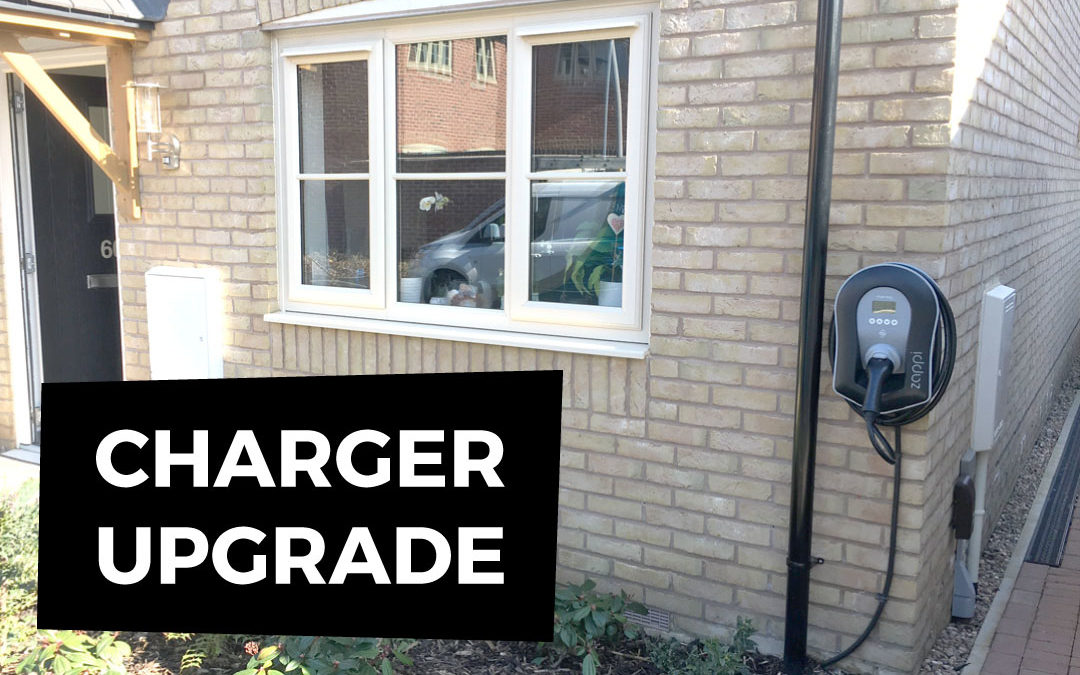
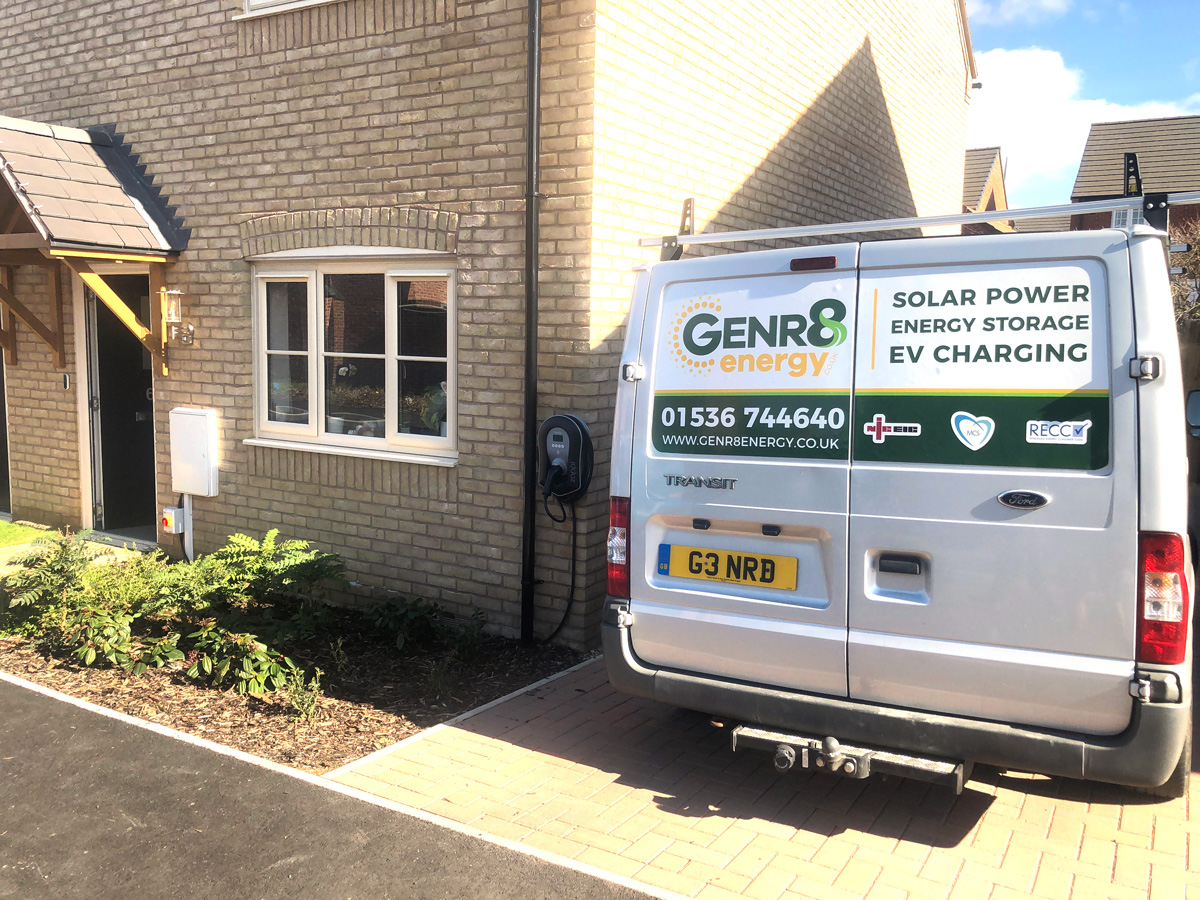
Another 7kW Zappi charger installed as an upgrade from a basic Rolec charger and earth rod to a smart charger with built in protection, much neater!
The customer also chose to have the wireless Harvi energy harvesting sensor to avoid unnecessary cables and add solar panel and water heater integration possibilities in the future. Very forward-thinking!
Yes fossil fuels are polluting, but EV’s just shift all that pollution to the power station, don’t they? You might be surprised to find out how efficient a fossil fuel burning car is compared to an electric vehicle, and shocked by the crazy amounts of energy needed to keep your car moving before you even turn the key! Watch this video to find out more…
This is what motivates us to accelerate the move to renewable energy and electric transport, and hopefully it will help to clarify some of the misinformation out there about how dirty electricity really is compared to fossil fuel.
If you’re one of the millions of people working from home as a result of the coronavirus pandemic, you’re no doubt aware of the impact doing so has had on your monthly energy bills.
Price comparison site Compare the Market has estimated that being at home more often has led to a 37% spike in the typical home workers energy bills.
That could work out to hundreds of pounds added to energy bills each year and comes at a time that many households are trying to cut their carbon footprint.
So, what can you do about it? There are obvious steps you can take, such as improving your home’s insulation and general energy efficiency, but you’ve no doubt read about those a dozen times before, and there are more innovative ways people are cutting their household bills – and their environmental impact.
According to one local family they’re set to save a whopping £6,000 a year on their energy and motoring bills by approaching their needs in a way that’s more forward-thinking.
Much cheaper than a normal energy tariff
The Smith family lives in Stamford, Lincolnshire and recently finished building their new home. They’ve installed 11kW solar panels and two Tesla Powerwall home batteries to help them generate and store a far greater amount of energy. They also installed an air source heat pump system, which effectively absorbs heat from the air outside and transfers it indoors, further reducing the cost of keeping their home cosy. The family also decided it was time to switch to an electric vehicle (EV) – a Tesla – and, with this in mind, installed a three-phase electrical supply in their home, which means they can rapidly charge their EV.
‘I slashed my energy bills and often drive on sunshine’
Finally, they’re on the Tesla Energy tariff from Octopus Energy, which automatically imports and exports energy between the grid, home batteries and solar panels. As John Smith explains, this tariff works out around 50% cheaper than standard electricity tariffs.
“I wanted my teenage kids to grow up in an environment where I’m not paying to pollute the air we breathe,” John said.
“Our new house is as energy efficient as we could afford to make it. We’ve lived in it for six months now and, so far, we’ve been 60-70% self-sufficient thanks to the solar panels on our roof. I also made the switch to an EV in the summer and now drive an electric vehicle – there’s no better feeling of driving on sunshine! So shen I heard about the Tesla Energy Plan it seemed like the special jam in the sandwich.”
“If you have committed to solar panels you end up exporting in the summer and have a bigger deficit in the winter. You need a tariff that does both of those things and we get the same deal for import and export costs too. The beauty of our combined solar and battery system means that, for the majority of the year, we don’t have to think about our energy use at all.”
‘It’ll pay for itself in four years’
Obviously, solar panels and home batteries don’t come cheap, but John estimates that they will pay for themselves in four years.
“We’re producing two-thirds of the energy we consume,” he adds. “We used to spend £4,000 a year on petrol plus £3,000 on energy costs. In a year’s time, I predict that our net energy bill will be less than £1,000.”
New homes should be greener
Obviously, there aren’t that many people out there who are building their next home from scratch. But, if you are among then, John highly recommends you take the time to make it as efficient as possible.
“Building our energy-efficient home has been both challenging and rewarding. We were lucky to have good builders and an energy company who did all of the solar and the heating for us. Yes, it does require a bit of planning but YouTube is a great teacher! There are also fantastic online communities with people sharing their learnings too. I want to debunk the myths and encourage other people to consider what changes they can make for the environment.”




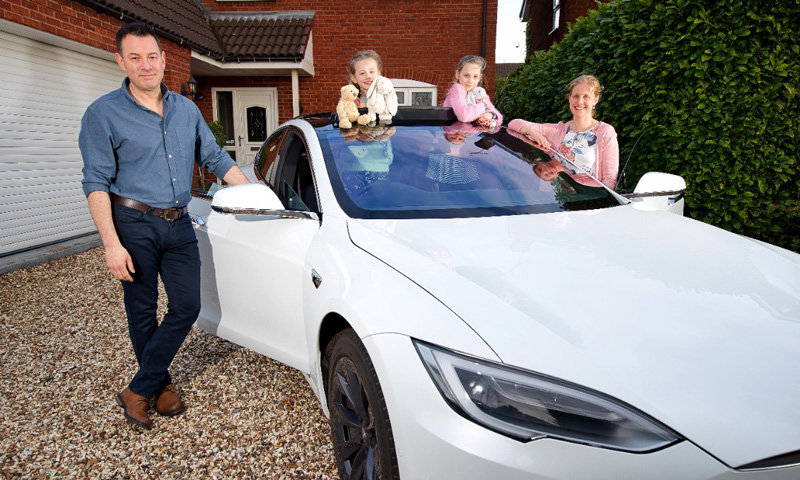 Much cheaper than a normal energy tariff